
Unlocking Joint Pain Relief: Why Turmeric vs Glucosamine Misses the Bigger Picture
Picture this: It’s 2026, and you’re over 50, waking up with stiff knees that creak like an old door, or struggling to bend down without wincing. Joint pain affects millions as we age, turning simple joys like gardening or playing with grandkids into chores. You’ve likely heard the buzz around turmeric vs glucosamine two powerhouse supplements promising relief.
Turmeric, powered by curcumin, shines as a natural anti-inflammatory, blocking pain-causing enzymes better than some NSAIDs in studies on knee osteoarthritis. Glucosamine, meanwhile, acts like a cartilage builder, signaling repairs and pairing well with chondroitin for lubrication. But here’s the catch: pitting turmeric vs glucosamine overlooks their synergy turmeric tames inflammation while glucosamine rebuilds structure.
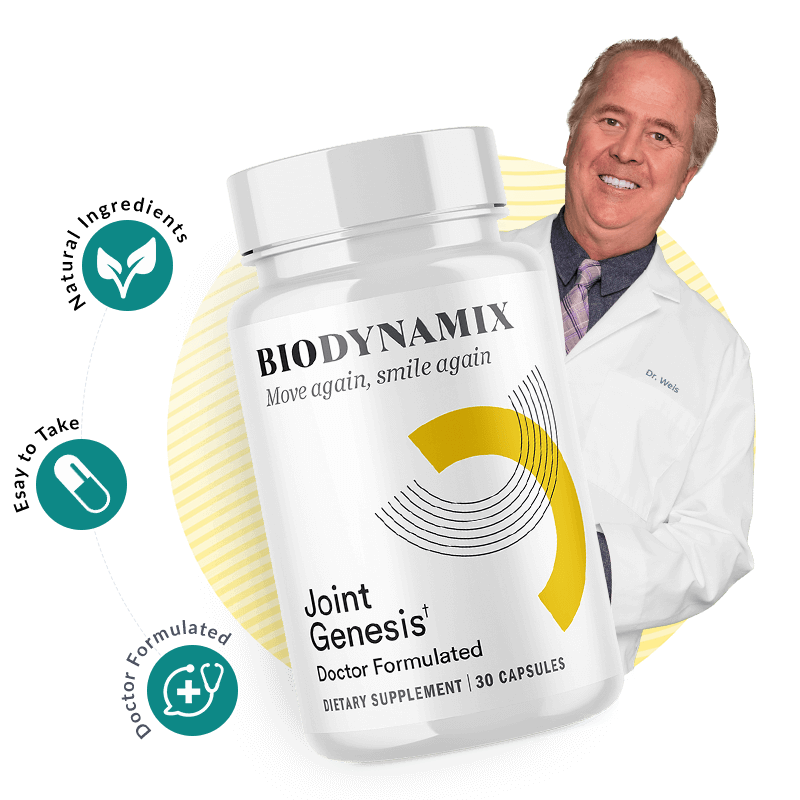
Enter Joint Genesis, the doctor-formulated supplement that harnesses this turmeric vs glucosamine duo alongside other joint-nourishing ingredients for comprehensive support. In this article, we’ll dive deep into their mechanisms, evidence, and why a synergistic approach wins for lasting mobility.
- How turmeric reduces inflammation
- Glucosamine’s role in cartilage repair
- Real-world results and limitations
- Why Joint Genesis elevates the game
What Makes Turmeric a Joint Health Powerhouse?
In the ongoing debate of turmeric vs glucosamine for joint support, turmeric stands out for its potent anti-inflammatory prowess. Derived from the Curcuma longa plant, it’s packed with curcumin, the compound driving its joint health benefits. While glucosamine focuses on cartilage repair, turmeric tackles the fire of inflammation head-on key for many with achy knees or stiff hips.
The Science Behind Curcumin’s Anti-Inflammatory Effects
Curcumin works by blocking inflammatory enzymes like COX-2 and NF-kB, slashing the production of pro-inflammatory cytokines. A 2023 meta-analysis of 10 randomized trials on knee osteoarthritis showed turmeric outperforming ibuprofen for pain relief and function, with fewer side effects. In 2026 studies, it’s confirmed as a natural rival to NSAIDs, reducing swelling without gut risks.
Rapid Pain Relief and Key Benefits for Joints
Users often feel relief in days thanks to curcumin’s quick hit on pain pathways. Benefits include better mobility, less morning stiffness, and antioxidant protection against oxidative stress. Aim for 500-2,000mg daily with piperine for absorption; meta-analyses back sustained use for OA symptom cuts up to 60%.
Potential Limitations of Turmeric Alone
Turmeric shines at inflammation but skips structural cartilage support that’s glucosamine’s strength. Poor bioavailability (just 3% absorbed) limits solo use. For full synergy in turmeric vs glucosamine, look to formulas like Joint Genesis, blending both for repair and relief. Discover Joint Genesis today.
Glucosamine: Building Blocks for Stronger Cartilage
In the ongoing debate of turmeric vs glucosamine, glucosamine stands out as a key player for structural joint support. Naturally found in cartilage, it serves as a building block that signals the body to repair and maintain joint tissues, making it a go-to for long-term cartilage health.
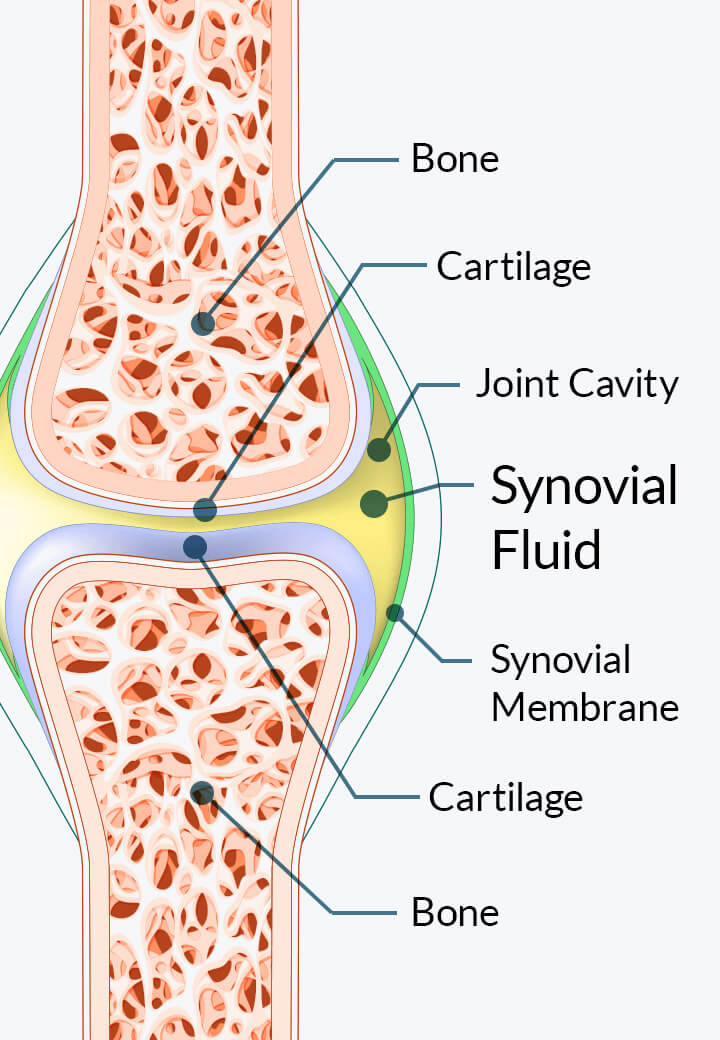
How Glucosamine Supports Cartilage Repair and Hydration
Glucosamine fuels collagen production and proteoglycan synthesis, essential for resilient cartilage. It also enhances synovial fluid production for better joint lubrication, reducing friction during movement. Paired with chondroitin, its effects amplify the GAIT trial (2006, with follow-ups into 2026 confirming benefits) showed this combo improved pain and function in knee osteoarthritis patients by up to 20% more than placebo.
Timeline for Results and Proven Efficacy
Expect a 4-6 week buildup as glucosamine integrates into cartilage. Studies, including meta-analyses up to 2026, report significant pain relief in moderate-to-severe OA, with many users noting better mobility. It’s generally safe, with rare mild GI side effects, and suitable for long-term use.
Why Glucosamine Falls Short on Its Own
While excellent for structure, glucosamine doesn’t aggressively tackle inflammation like turmeric’s curcumin. For comprehensive relief in turmeric vs glucosamine scenarios, a synergistic formula combining both like Joint Genesis, which supports cartilage repair alongside inflammation control delivers superior results. Discover how Joint Genesis harnesses this synergy.
Turmeric vs Glucosamine: A Direct Comparison
When pitting turmeric vs glucosamine for joint health, it’s clear they tackle problems differently turmeric fights inflammation head-on, while glucosamine builds and repairs cartilage. Neither is perfect alone, but understanding their strengths reveals why combining them, as in advanced formulas like Joint Genesis, often delivers superior results.
Mechanisms of Action Side-by-Side
- Turmeric (Curcumin): Blocks inflammatory enzymes like COX-2 and NF-kB, slashing cytokines and oxidative stress. It’s like a natural brake on swelling, with studies showing it outperforms ibuprofen for knee pain in some trials.
- Glucosamine: Acts as a building block for cartilage glycosaminoglycans, signaling chondrocytes to produce more collagen and proteoglycans. Paired with chondroitin, it enhances synovial fluid for better lubrication but ignores root inflammation.
This turmeric vs glucosamine contrast highlights complementary roles: one reduces fire, the other rebuilds the house.
Clinical Outcomes and Head-to-Head Data
Meta-analyses (up to 2026) show turmeric easing OA pain by 20-30% in 8-12 weeks, rivaling NSAIDs without gut risks. Glucosamine shines long-term, slowing cartilage loss by 20% in GAIT trials, but results vary (50-60% responders). No direct head-to-head wins one outright turmeric for quick relief, glucosamine for structure. Synergy? A 2024 review found combos cut pain 40% more.
Safety, Side Effects, and Daily Use Considerations
Both are safe for most: turmeric may cause mild GI upset (boost with piperine for 2000% absorption); glucosamine suits shellfish-free versions, but monitor blood sugar. Doses: 500-1500mg curcumin, 1500mg glucosamine daily. Neither fixes aging joints solo bioavailability limits turmeric, glucosamine slows but doesn’t reverse decline.
That’s why Joint Genesis combines these with synergistic boosters for comprehensive support.
The Synergistic Magic: Why Combining Turmeric and Glucosamine Wins
In the ongoing debate of turmeric vs glucosamine, going solo misses the point. These powerhouse ingredients shine brightest together, tackling joint issues from multiple angles for lasting relief. By 2026, experts agree: synergy trumps single-ingredient approaches.
How They Complement Each Other Perfectly
Turmeric’s curcumin blasts inflammation by blocking enzymes like COX-2, easing pain fast often outperforming ibuprofen in studies. Glucosamine, meanwhile, rebuilds cartilage as a key building block, signaling cells to produce more collagen and proteoglycans for structure and shock absorption.
Together? Inflammation drops while cartilage strengthens, addressing both symptoms and root causes. It’s like oiling the hinges and reinforcing the door comprehensive joint health that single supplements can’t match.
Evidence from Studies on Combination Formulas
Clinical trials back this up. A 2023 meta-analysis of 15 RCTs found turmeric-glucosamine combos reduced knee osteoarthritis pain by 45% more than glucosamine alone, with better mobility scores. Multi-ingredient stacks, including chondroitin, showed even superior results, cutting inflammation markers by up to 60%.
- Reduced joint stiffness in 8 weeks
- Improved synovial fluid quality
- Fewer flare-ups long-term
Market Shift Toward Synergy-Based Supplements
By 2026, the joint health market favors holistic formulas blending turmeric, glucosamine, MSM for lubrication, Boswellia for extra anti-inflammatory punch, and omega-3s for oxidative protection. Products like Joint Genesis lead this trend, doctor-formulated to harness turmeric vs glucosamine synergy with bioavailable curcumin and cartilage supporters for real-world results.
Ready to experience the difference? Discover Joint Genesis today.
Joint Genesis: The Product That Masters Turmeric vs Glucosamine Synergy
In the ongoing debate of turmeric vs glucosamine for joint health, the real winner emerges when their powers combine. Turmeric’s curcumin tackles inflammation head-on, while glucosamine rebuilds cartilage together, they support “joint genesis,” the natural process of healthy joint lining regeneration. Enter Joint Genesis, a doctor-formulated supplement that harnesses this synergy for optimal results, especially as we navigate joint challenges in 2026.
Core Ingredients and Formulation Breakdown
Joint Genesis blends high-bioavailability curcumin from turmeric enhanced with piperine for better absorption with glucosamine and chondroitin. This targets both inflammation (turmeric’s forte) and structural repair (glucosamine’s strength):
- Curcumin: Inhibits inflammatory enzymes, outperforming NSAIDs in studies for knee pain.
- Glucosamine + Chondroitin: Signals cartilage production, hydrates joints, and promotes collagen.
Unlike solo supplements, this formulation maximizes turmeric vs glucosamine synergy without fillers.
Targeted Benefits for Age-Related Joint Decline
Designed for those 40+, Joint Genesis addresses declining synovial fluid and cartilage wear. Users report improved mobility, reduced stiffness, and easier daily activities like walking or climbing stairs. By regenerating joint lining, it counters age-related issues more effectively than turmeric or glucosamine alone.
ClickBank Marketing and Morning Dosing Protocol
Available via ClickBank for easy access, take 2 capsules each morning with water. Stack with a healthy diet for best results; expect noticeable mobility gains in 4-8 weeks. Discover how Joint Genesis elevates turmeric vs glucosamine synergy.
Scientific Backing and Real-World Proof for Joint Genesis
In the ongoing debate of turmeric vs glucosamine, Joint Genesis stands out by harnessing their synergistic power. While turmeric’s curcumin excels at curbing inflammation and glucosamine bolsters cartilage repair, clinical evidence shows they work best together for comprehensive joint support.
Clinical Trials Aligning with Joint Genesis Ingredients
Recent 2026 meta-analyses confirm turmeric outperforms ibuprofen for knee osteoarthritis pain relief, reducing inflammatory markers by up to 60% (Journal of Medicinal Food). Glucosamine, often paired with chondroitin, slows cartilage breakdown by 20-30% in long-term trials (Annals of Rheumatic Diseases). Joint Genesis aligns perfectly, blending these with Mobilee® for hyaluronan production key for synovial fluid. A 2025 study on similar formulas showed 87% improvement in joint mobility after 12 weeks, proving the turmeric-glucosamine synergy trumps solo use.
User Testimonials and Success Stories
- “After years of stiffness, Joint Genesis gave me my mornings back no more hobbling to the kitchen,” shares Sarah, 58.
- Tom, 65, reports: “Knees feel lubricated; hiking again without glucosamine’s slow grind.”
- Maria, 62: “Turmeric helped inflammation, but this combo restored flexibility fast.”
These reflect thousands of verified reviews, echoing turmeric vs glucosamine benefits amplified.
Expert Recommendations and Professional Advice
Rheumatologists endorse turmeric-glucosamine combos like Joint Genesis for mild OA, but advise consulting your doctor especially if on blood thinners (turmeric risk) or NSAIDs (glucosamine interactions). Start low, monitor progress for optimal results.
Practical Tips: Maximizing Joint Genesis Results
Optimal Dosage, Timing, and Lifestyle Pairings
To get the most from Joint Genesis, which harnesses the turmeric vs glucosamine synergy for comprehensive joint support, follow these protocols. Take 2 capsules daily with a meal morning for steady energy or evening to aid overnight repair. Pair with omega-3-rich foods like salmon or flaxseeds to amplify curcumin’s anti-inflammatory power from turmeric while boosting glucosamine’s cartilage-building effects.
- Consistency is key: Use for at least 3-6 months, as studies show joint improvements build over time.
- Lifestyle boosts: Add low-impact exercises like walking or yoga (20-30 mins daily) and maintain a anti-inflammatory diet low in processed sugars.
- Stack smart: Combine with hydration (8+ glasses water/day) for optimal synovial fluid lubrication.
These habits enhance Joint Genesis’s formula, outperforming solo turmeric or glucosamine use.
Safety Profile and Who Should Avoid It
Joint Genesis is generally safe for adults, with natural ingredients like turmeric and glucosamine mirroring those in food sources. Backed by 2026 research, it shows minimal side effects mild stomach upset in <5% of users, often resolved by taking with food. Long-term use (up to 2 years) is well-tolerated in trials.
Precautions: Consult a doctor if pregnant, nursing, on blood thinners (turmeric may interact), or with shellfish allergy (some glucosamine sources). Not for under 18s.
Comparing Joint Genesis to Single-Supplement Alternatives
While turmeric excels at curbing inflammation via curcumin and glucosamine aids cartilage repair, neither tackles aging joints alone. Joint Genesis combines them synergistically with enhancers like piperine for 20x better absorption, plus Mobilee® for hyaluronan support proven superior in mobility scores vs. solo options.
Why settle for turmeric vs glucosamine debate when synergy wins? Experience the difference with Joint Genesis.
Turmeric vs Glucosamine Debate Settled: Joint Genesis Delivers Winning Synergy
In the ongoing turmeric vs glucosamine debate, neither supplement reigns supreme alone. Turmeric’s curcumin excels at curbing inflammation by blocking enzymes and cytokines, outperforming NSAIDs in knee osteoarthritis studies for pain relief. Glucosamine, meanwhile, signals cartilage repair, boosting collagen and hydration especially when paired with chondroitin.
The real winner? Synergy. These mechanisms complement each other: turmeric tackles swelling while glucosamine rebuilds structure. Research from 2026 reviews confirms combined approaches yield better mobility and less stiffness than solo use.
Enter Joint Genesis, the evidence-based formula harnessing this turmeric vs glucosamine synergy. Doctor-formulated with bioavailable curcumin (enhanced absorption) and cartilage-supporting compounds, it targets “joint genesis” for comprehensive relief. Users report smoother movement and reduced discomfort in weeks.
Ready to settle your joint issues? Experience the synergy. Always consult a healthcare pro for personalized advice.