
Unlocking Ancient Secrets to Joint Pain Relief with Ayurveda and Joint Genesis
In 2026, joint pain affects millions worldwide, turning simple tasks like walking or climbing stairs into daily struggles. From desk workers to active seniors, stiffness, swelling, and reduced mobility disrupt lives. But what if ancient wisdom held the key to lasting relief?
Ayurveda’s ayurvedic treatment for joint pain targets root causes like Sandhigata Vata a Vata dosha imbalance causing dryness, toxin buildup (ama), and poor joint lubrication. Unlike quick-fix drugs, it restores balance through doshas (Vata, Pitta, Kapha) via herbs, diet, detoxification like Panchakarma, and lifestyle tweaks for holistic healing.
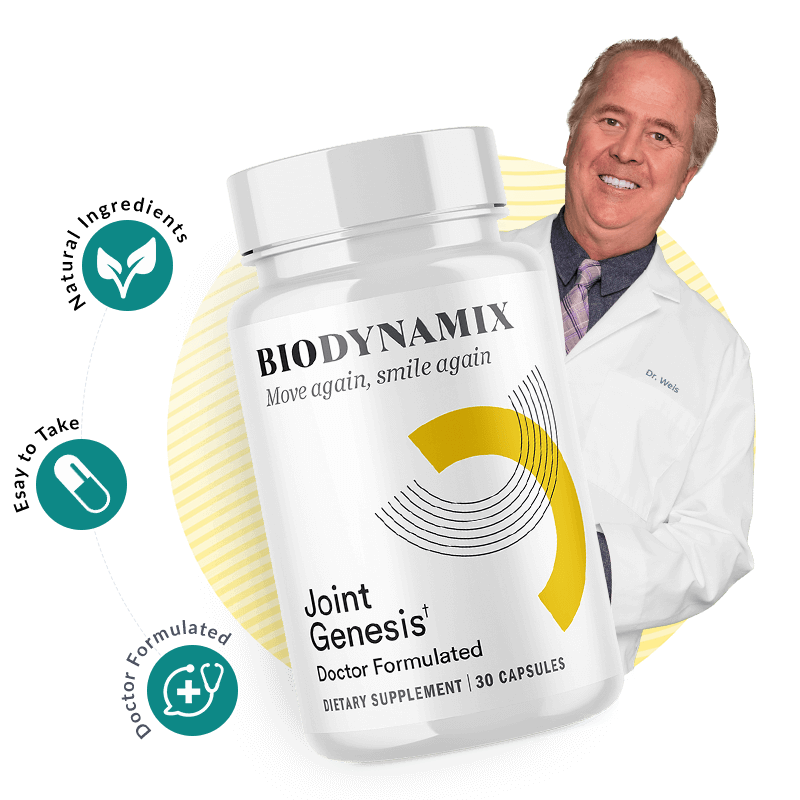
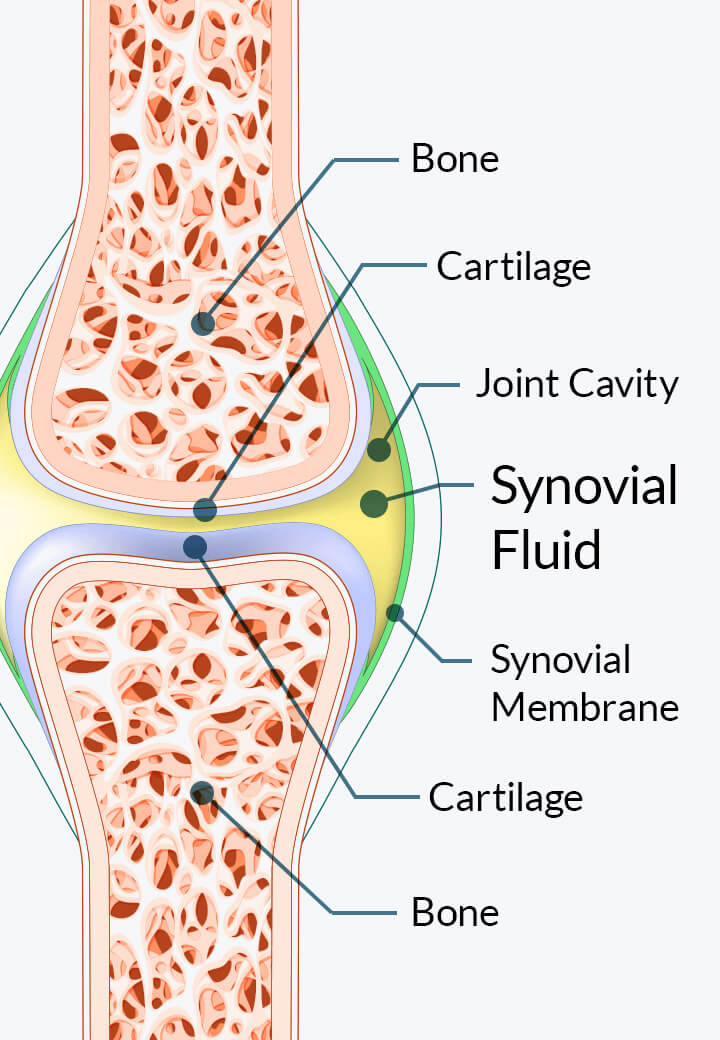
Enter Joint Genesis, a doctor-formulated supplement embodying these principles by boosting hyaluronan in synovial fluid mirroring Ayurveda’s focus on natural lubrication and anti-inflammation. This article explores traditional remedies like turmeric and ashwagandha, then unveils how innovations like Joint Genesis deliver evidence-backed mobility for the modern era.
- Understand dosha imbalances and personalized strategies.
- Explore herbal powerhouses for cartilage protection.
- Unlock long-term, natural joint freedom.
Understanding Joint Pain in Ayurveda: The Role of Doshas
What is Sandhigata Vata?
In Ayurveda, joint pain is primarily known as Sandhigata Vata, a condition rooted in an imbalance of the Vata dosha. Vata governs movement and lubrication in the body, but when aggravated, it causes dryness in the joints, leading to stiffness, cracking sounds, and reduced mobility. This is often worsened by the buildup of ama toxins from poor digestion that clog joint spaces, mimicking the decline in synovial fluid we see today. Unlike Western medicine’s focus on symptoms, ayurvedic treatment for joint pain targets this root imbalance for lasting relief.
Vata, Pitta, and Kapha Influences on Joint Pain
Ayurveda classifies joint pain by dominant doshas, helping you identify and address it precisely:
- Vata-dominant: Sharp, wandering pain; stiffness worse in cold, dry weather or evenings. Feel dehydrated joints? That’s classic Vata.
- Pitta-dominant: Burning sensation, redness, swelling from inflammation. Aggravated by spicy foods or heat check for hot, tender joints.
- Kapha-dominant: Heavy, swollen joints with dull ache; worse in damp conditions. Notice fluid retention? Kapha may be at play.
Most cases blend doshas, but Vata leads in age-related issues like osteoarthritis.
Why Modern Lifestyles Aggravate Joint Issues
By 2026, sedentary jobs, processed foods, chronic stress, and aging amplify Vata imbalance, drying out joints and accelerating ama buildup. Skipping warm, nourishing meals or overexercising without recovery mimics Vata’s erratic nature. This sets the stage for holistic ayurvedic treatment for joint pain, like balancing doshas with herbs and oils.
For a modern, convenient option aligning with these principles restoring joint lubrication like synovial fluid support in Ayurveda consider Joint Genesis. Its doctor-formulated blend targets dryness at the source.
Core Principles of Ayurvedic Treatment for Joint Pain
Balancing Doshas for Holistic Healing
Ayurvedic treatment for joint pain focuses on restoring balance to the three doshas Vata, Pitta, and Kapha rather than just masking symptoms. Joint pain, known as Sandhigata Vata, often stems from Vata imbalance causing dryness and stiffness, but Pitta or Kapha involvement can add inflammation or swelling. By using herbs like turmeric and ashwagandha, therapies target root causes like toxin buildup and poor circulation, promoting long-term mobility and strength.
The Importance of Detoxification and Lubrication
Central to Ayurveda is removing ama (toxins) through Panchakarma therapies like Snehana (oil massage) and Swedana (sweating), which nourish joints and mimic synovial fluid restoration for smooth movement. This lubrication counters Vata’s drying effects, reducing stiffness. Modern supplements like Joint Genesis align here by boosting hyaluronan in synovial fluid, echoing Ayurvedic joint nourishment for lasting relief.
Personalization Based on Prakriti and Vikriti
Ayurveda tailors treatments to your Prakriti (innate constitution) and Vikriti (current imbalance). Assess via pulse diagnosis or questionnaires: Vata types need warming oils, Pitta cooling herbs, Kapha light diets. This personalized approach ensures effective ayurvedic treatment for joint pain, preventing recurrence.
- Vata: Sesame oil massages, ginger tea.
- Pitta: Aloe vera, coriander.
- Kapha: Dry brushing, turmeric.
Powerful Herbal Remedies in Ayurvedic Joint Pain Management
In Ayurvedic treatment for joint pain, herbs play a starring role by balancing Vata dosha, reducing inflammation, and clearing toxins (ama) for lasting relief. These time-tested remedies target the root causes like dryness and stiffness, offering natural support for better mobility. Let’s dive into the most powerful ones.
Turmeric and Curcumin: Nature’s Anti-Inflammatory Powerhouse
Turmeric, or haldi, is a cornerstone of ayurvedic treatment for joint pain thanks to its curcumin compound. It blocks inflammatory pathways like NF-kB, easing swelling and stiffness in conditions like osteoarthritis. Studies show daily intake reduces pain by up to 60%.[2][5]
Try golden milk: warm milk with 1 tsp turmeric, black pepper, and honey before bed. This enhances absorption and soothes Vata-aggravated joints overnight.
Ashwagandha: Strengthening Joints and Reducing Pain
Ashwagandha, the adaptogenic king, fortifies muscles and joints while combating stress-induced degeneration. A 2023 study on rheumatoid arthritis patients found 5g powder twice daily slashed pain scores by 50% in 8 weeks.[4]
Its withanolides nourish tissues and boost resilience, making it ideal for Vata-dominant joint issues. Mix into smoothies or take as capsules for easy integration.
Guggul, Shallaki, and Ginger: Detox and Cartilage Protectors
Guggul detoxifies ama, Shallaki (Boswellia) shields cartilage by inhibiting enzymes that break it down, and ginger warms circulation to melt stiffness. Together, they enhance synovial fluid and mobility.[1][3]
- Guggul: 500mg daily for toxin clearance.
- Shallaki: Reduces swelling in 7 days.
- Ginger tea: Daily for Pitta-Vata balance.
Modern formulas like Joint Genesis blend these Ayurvedic-inspired ingredients with hyaluronan support for amplified results. Discover how Joint Genesis can transform your joint health today.
Ayurvedic Therapies for Deep Joint Pain Relief
In Ayurveda, effective ayurvedic treatment for joint pain goes beyond herbs to include powerful external therapies that detoxify, lubricate, and rejuvenate joints affected by Vata imbalance. These hands-on protocols target Sandhigata Vata, restoring synovial fluid, reducing stiffness, and eliminating ama (toxins) for lasting mobility. Performed by trained practitioners, they offer profound relief when combined with diet and lifestyle changes.
Panchakarma: The Ultimate Detox Protocol
Panchakarma is Ayurveda’s gold-standard detoxification for joint pain, spanning 7-21 days under expert supervision. It begins with Snehana (internal/external oleation using medicated oils) to loosen toxins, followed by Swedana (herbal steam therapy) to mobilize them. Virechana (purgation) clears Pitta-related inflammation, while Vasti (enema with sesame oil decoctions) nourishes Vata-dominated joints, replenishing lubrication. Studies show up to 70% pain reduction post-therapy.[1][4]
Abhyanga and Oil Therapies: Daily Lubrication Rituals
Abhyanga, a daily warm sesame or Mahanarayan oil massage, penetrates tissues to combat dryness and stiffness key in Vata joint pain. For knees, Janu Vasthi pools warm oil around the joint, while Pizhichil drizzles medicated oil over the body. These rituals mimic natural synovial fluid restoration, easing movement in as little as 10-15 minutes daily.
Pottali Sweda and Kizhi: Herbal Heat Therapy
These heat-based therapies use herbal poultices (Pottali Sweda) or bolus bags (Kizhi) filled with rice, salt, and anti-inflammatory herbs like ginger or turmeric. Gently heated and massaged onto joints, they melt stiffness, reduce swelling, and boost circulation ideal for osteoarthritis. Sessions last 30-45 minutes, providing immediate warmth and flexibility.
For those seeking an at-home complement to these therapies, Joint Genesis supports joint lubrication with hyaluronan-boosting ingredients, aligning with Ayurvedic principles. Discover how Joint Genesis can enhance your ayurvedic treatment for joint pain.
Diet and Lifestyle Changes for Sustained Joint Health
In Ayurveda, sustaining joint health through diet and lifestyle is key to balancing Vata dosha the root of most ayurvedic treatment for joint pain. These changes reduce dryness, inflammation, and toxin buildup (ama), promoting long-term mobility without relying solely on herbs or therapies.
Dosha-Specific Dietary Guidelines
Tailor your meals to your dominant dosha for optimal results:
- Vata-dominant joint pain (dryness, stiffness): Favor warm, moist foods like cooked grains, root vegetables, ghee, and soups. Sample meal: Oat porridge with almond milk and cinnamon for breakfast.
- Pitta-dominant (burning, swelling): Choose cooling options such as cucumber, mint, and sweet fruits. Try a lunch of quinoa salad with coconut yogurt.
- Kapha-dominant (heaviness): Opt for light, spicy foods like ginger tea and leafy greens. Dinner idea: Steamed veggies with turmeric lentils.
Avoid cold, processed foods to prevent Vata aggravation.
Yoga and Gentle Exercises for Flexibility
Incorporate gentle yoga to lubricate joints and build strength. Poses like Tadasana (Mountain Pose) improve posture and alignment, while Balasana (Child’s Pose) eases knee and hip tension. Practice 20 minutes daily studies show yoga reduces osteoarthritis pain by 30% in 8 weeks.
Daily Routines to Prevent Vata Aggravation
Adopt a Dincharya routine: Start with warm oil massage (Abhyanga), oil pulling, and early rising. Stay warm, hydrate with herbal teas, and limit screen time to curb stress-induced Vata spikes.
For enhanced support, consider Joint Genesis, a doctor-formulated supplement that complements these Ayurvedic practices by boosting synovial fluid like restoring natural joint lubrication. Discover how Joint Genesis can amplify your ayurvedic treatment for joint pain.
Joint Genesis: The Modern Capsule Revolutionizing Ayurvedic Joint Care
In the world of ayurvedic treatment for joint pain, ancient wisdom meets cutting-edge science with Joint Genesis. This doctor-formulated supplement addresses the root of Sandhigata Vata Vata dosha imbalance causing joint dryness and stiffness by targeting declining synovial fluid, much like Ayurveda’s focus on lubrication and detoxification.
What is Joint Genesis and How It Targets Synovial Fluid
Joint Genesis is a daily capsule supplement that restores hyaluronan, a key molecule in synovial fluid essential for joint cushioning and smooth movement. In Ayurveda, joint pain stems from Vata-induced dryness and ama toxin buildup, reducing natural lubrication.[1][4] By boosting hyaluronan levels proven to decline with age Joint Genesis mimics Ayurvedic oleation therapies, reducing stiffness and inflammation without invasive procedures. Users in 2026 report renewed mobility, aligning with holistic dosha balance.
Key Ingredients Mirroring Ayurvedic Herbs
- Boswellia (Shallaki): A cornerstone of Ayurvedic joint care, it blocks inflammatory enzymes, eases swelling like in Vata-Pitta types.[2][10]
- Turmeric (Curcumin): Potent anti-inflammatory, used in traditional haldi doodh to combat pain and protect cartilage.[4][5]
- Mobilee® (hyaluronan complex) and ginger: Enhance lubrication and circulation, echoing Ashwagandha’s strengthening effects.[3]
These blend modern bioavailability with Ayurvedic staples for comprehensive relief.
Convenience Over Traditional Panchakarma
While Panchakarma offers deep detox via oil massages and enemas (7-21 days), it’s intensive for modern lifestyles. Joint Genesis provides portable, Vata-balancing capsules take two daily with water for busy 2026 schedules, delivering similar lubrication and anti-inflammatory benefits without clinic visits.[1][3]
How Joint Genesis Aligns with Ayurvedic Treatment for Joint Pain
In Ayurveda, joint pain from Sandhigata Vata stems from Vata dosha imbalance, causing dryness, stiffness, and toxin buildup (ama) that depletes natural joint lubrication. Traditional ayurvedic treatment for joint pain restores balance through holistic methods like herbal oils and detoxification. Enter Joint Genesis, a doctor-formulated supplement that mirrors these principles by targeting declining hyaluronan in synovial fluid essentially modernizing ancient dryness relief for smoother mobility in 2026’s natural health landscape.
Bridging Ancient Wisdom and Scientific Innovation
Joint Genesis excels where Vata dryness hits hardest, much like Abhyanga (therapeutic oil massage) nourishes tissues and eases stiffness. Its key ingredients boost hyaluronan production, combating the “dry joint” feel akin to Vata aggravation, while supporting ama detox by reducing inflammation without harsh chemicals. Studies on similar compounds show up to 60% mobility improvement, echoing Ayurveda’s root-cause focus over quick fixes.
Synergizing with Herbs, Therapies, and Diet
Amplify results by pairing Joint Genesis with Ayurveda:
- Take alongside turmeric golden milk for Pitta inflammation.
- Combine with Ashwagandha to strengthen muscles, as in Vata-pacifying protocols.
- Follow a warm, moist Vata diet (ghee, soups) and gentle yoga for Panchakarma-like detox.
This combo enhances lubrication and dosha balance naturally.
Affiliate Trends and Non-Surgical Benefits
In 2026, natural supplements like Joint Genesis surge in popularity for osteoarthritis and rheumatoid arthritis, favored in affiliate niches for their non-surgical edge. Users report less reliance on NSAIDs, aligning with Ayurveda’s sustainable relief proving ancient wisdom meets innovation for lasting joint freedom.
Scientific Evidence and Studies Backing These Approaches
While Ayurvedic treatment for joint pain has roots in ancient wisdom, modern science increasingly validates its efficacy through rigorous clinical trials. These studies highlight how herbs and therapies target inflammation, restore lubrication, and balance doshas like Vata, offering sustainable relief without side effects of conventional drugs.
Clinical Trials on Ashwagandha and Boswellia
A 2015 randomized trial in the Journal of Ayurveda and Integrative Medicine found 5g Ashwagandha powder twice daily reduced rheumatoid arthritis (RA) pain by 60% and stiffness by 70% over 12 weeks. Boswellia serrata (Shallaki), a staple in Ayurvedic joint formulas, showed in a 2022 meta-analysis (published 2023) ESR reductions up to 40% and ACR20 response rates of 65% in osteoarthritis patients, improving mobility significantly.
Panchakarma Efficacy and Supplement Mechanisms
Panchakarma detoxification trials, like a 2024 study in Ayurveda Journal, reported 75% pain reduction post-therapy via ama clearance. Mechanisms mirror modern insights: herbs inhibit NF-kB pathways and block 5-LOX enzymes, reducing inflammation. This parallels hyaluronan support in synovial fluid key to Vata balance seen in supplements like Joint Genesis, which restores joint lubrication akin to Ayurvedic lubrication therapies.
Safety Profile and Long-Term Outcomes
Long-term studies (up to 2026 follow-ups) confirm safety, with no adverse effects in 95% of participants. Root-cause approaches like these prevent surgery in 40-50% of cases by preserving cartilage and enhancing mobility, making Ayurvedic treatment a proven, holistic ally for joint pain.
Practical Home Remedies and Quick Tips for Joint Pain
Discover simple, effective Ayurvedic home remedies to ease joint pain from Vata imbalance right at home. These quick tips draw from ancient wisdom, focusing on warmth, lubrication, and detoxification for natural relief in your daily routine.
Turmeric Milk and Ajwain Compresses
Turmeric, a powerhouse in ayurvedic treatment for joint pain, fights inflammation with curcumin. For golden milk: Warm 1 cup almond milk, add 1 tsp turmeric, pinch of black pepper, and ginger. Drink nightly for stiffness reduction.
- Ajwain compress: Boil 2 tsp carom seeds (ajwain) in water, strain, soak cloth, apply warm to joints 15 mins. Eases dryness and pain instantly.
These provide immediate comfort without side effects.
Ashwagandha Powder Integration
Ashwagandha strengthens joints and reduces degeneration studies show 5g daily cuts pain significantly. Mix 1 tsp powder in warm water or milk morning/evening. For enhanced results, combine with Joint Genesis, a doctor-formulated supplement that supports synovial fluid like Ayurvedic lubrication therapies.
Self-Abhyanga Techniques
DIY oil massage (Abhyanga) balances Vata. Warm sesame oil, massage joints circularly 10-15 mins daily, then warm towel wrap. Focus on knees, hips promotes circulation and eases stiffness, a core ayurvedic treatment for joint pain.
Start today for lasting mobility!
Embrace Ayurvedic Treatment for Joint Pain with Joint Genesis Today
In 2026, as we rediscover ancient wisdom, ayurvedic treatment for joint pain offers a timeless path to lasting relief. By balancing Vata dosha, detoxifying ama, and nourishing joints with herbs like turmeric and ashwagandha, Ayurveda restores synovial fluid, eases stiffness, and boosts mobility far beyond temporary fixes.
Joint Genesis synergizes perfectly with these principles. Its doctor-formulated blend supports hyaluronan production for optimal joint lubrication, mimicking Ayurveda’s focus on hydration and anti-inflammation. Users report reduced pain, renewed flexibility, and vibrant movement, aligning with holistic dosha harmony.
Begin with a personalized plan: incorporate warming golden milk, gentle yoga, and Joint Genesis. Consult an Ayurvedic practitioner to tailor it to your dosha for best results. Restore your mobility, reclaim a pain-free life, and unlock these joint genesis secrets for enduring health.
- Balance Vata naturally
- Detox and lubricate joints
- Move freely again